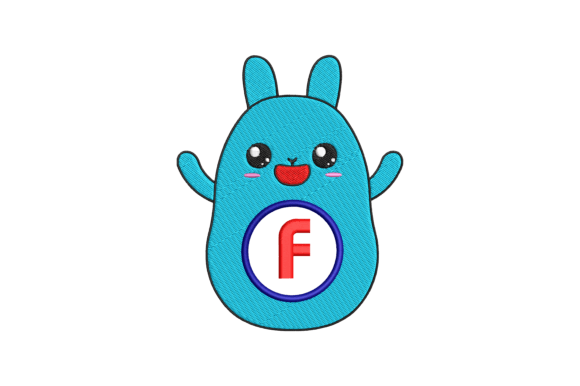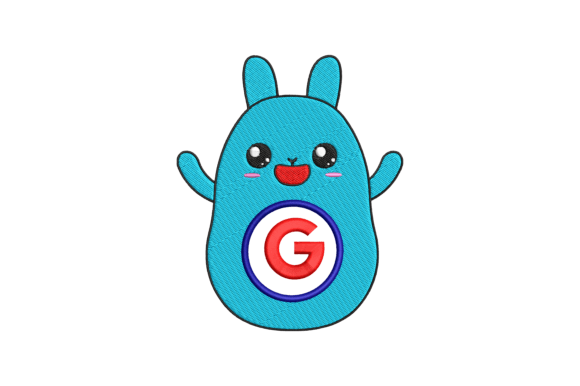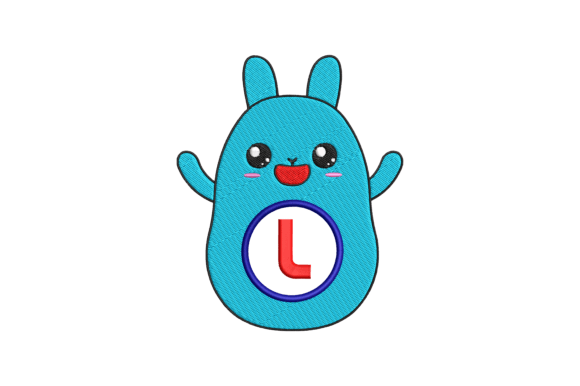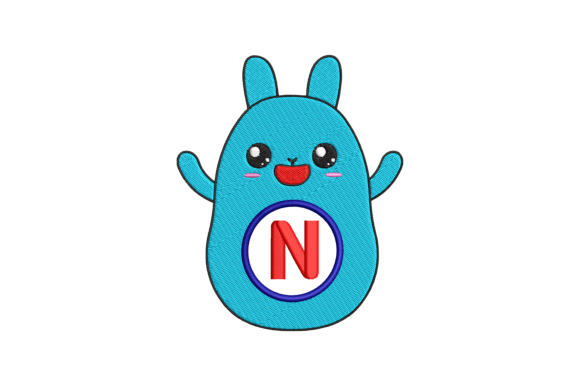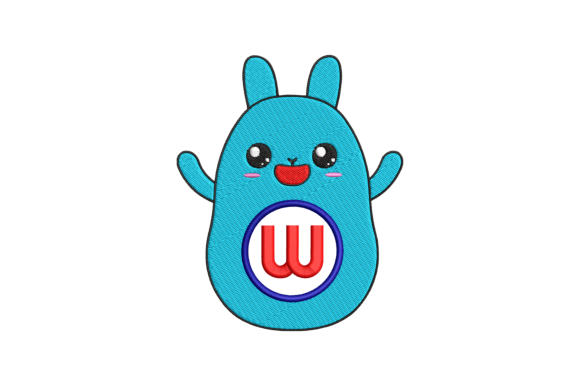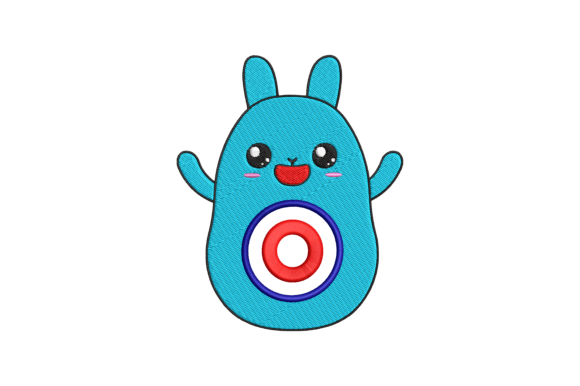
Cute Rabbit Letter O
First Impression: Whimsy That Stands Out on a Crowded Craft Fair Table
As an embroidery designer who’s prepped over 200 craft fair booths—from tiny pop-ups in local libraries to full weekend markets at historic town squares—I know exactly what catches a customer’s eye in under three seconds. Cute Rabbit Letter O lands instantly as soft, charming, and quietly clever. It’s not loud or trendy—it’s timeless whimsy with a subtle nod to Back To School charm (think gentle classroom nostalgia, not neon backpacks). The “O” isn’t just a letter; it’s a vessel for personality—the rabbit’s ears curl into the curve, its face peeks with quiet friendliness, and the whole motif feels handmade before you even stitch it. That’s gold for boutique makers and Etsy sellers building a brand rooted in warmth and intention.
Where Cute Rabbit Letter O Shines—And Where It Needs Care
This machine embroidery design thrives where texture meets tenderness. On a linen tea towel? Absolutely—it reads beautifully at 3.5" wide, balancing detail and clarity without overwhelming the fabric’s natural weave. As apron embroidery on a cotton twill? Yes—centered above the pocket, it adds instant character without competing with functional stitching. As a tote bag design on natural canvas? Strong visual anchor, especially when paired with neutral thread colors like heather gray or oatmeal.
But let’s be real: Cute Rabbit Letter O is not a one-size-fits-all workhorse. On curved cap surfaces, the fine facial details risk distortion unless digitized with careful underlay and reduced density. On thick terry cloth towels, dense stitch areas may pucker without medium-weight cutaway stabilizer and a slow-stitch test run. And on dark fabric? You’ll need high-contrast thread—cream or pale mint—not ivory—to preserve the rabbit’s soft expression. Tiny eyes and delicate ear contours simply vanish below 2.25", so skip using Cute Rabbit Letter O as a subtle corner accent on small pouches unless you’re willing to simplify manually.
Booth-Ready Performance: From Sample to Sale
I built a full mock display last week: embroidered tea towels folded beside mini pillow covers, a patch-adorned denim tote, and two sample aprons—one with Cute Rabbit Letter O solo, one with a coordinating “Bunny & Books” trio (yes, I tested combo potential). At every stop, customers paused longest at the tea towel and pillow cover. Why? Because Cute Rabbit Letter O reads clearly from six feet away *and* rewards closer inspection—the stitching has dimension, not flatness. That duality is rare. It also photographs exceptionally well for Etsy listings: clean lighting reveals thread sheen and subtle shading, making printable mockups feel authentic, not generic.
For batch production? It’s highly repeatable. No nested elements, no overlapping satin columns that snag needles, and minimal jump stitches—meaning fewer thread breaks during long runs. That’s critical for small shop product consistency. Just confirm your hoop size fits comfortably (most versions sit cleanly in a 4x4 or 5x7) and always run a test on scrap fabric matching your final product’s weight and stretch.
Smart Use Notes Every Embroidery Business Owner Should Know
- Stitch density matters: If your file includes dense fill in the rabbit’s cheeks or inner ears, reduce density by 8–10% on textured fabrics—or switch to a lightweight tear-away + fusible combo stabilizer.
- Fabric texture changes everything: On slubby linen or waffle-weave towels, preview your embroidery file at actual size on screen first. What looks crisp digitally may blur slightly in stitch—especially around the letter’s inner curve.
- Thread colors make or break mood: Soft peach thread for the rabbit’s nose reads “playful.” Navy thread on ecru fabric reads “vintage classroom.” Avoid high-sheen rayon on kitchen items—polyester holds up better to washing and steam.
- Commercial embroidery requires verification: Before selling finished products (like embroidered caps or market bags), double-check licensing terms. “This machine embroidery design comes with mu…” suggests incomplete metadata—don’t assume commercial rights are included. Contact the designer or marketplace directly.
Design Assets That Elevate Your Handmade Product Line
Cute Rabbit Letter O works hardest when treated as a signature motif—not just a standalone design. Stitch it onto a set of three coordinating tea towels (“Owl,” “Octopus,” “O” — yes, lean into the alliteration), or pair it with minimalist line-art book icons for a cohesive Back To School collection. As an embroidered patch, it becomes collectible—ideal for pinboards, tote personalization bars, or kids’ backpack upgrades. For digital sellers, bundle Cute Rabbit Letter O with two alternate colorways and a ready-to-print label template. That transforms a single embroidery file into scalable design assets.
Final Thought: Charm With Craftsmanship Intent
Cute Rabbit Letter O doesn’t shout. It invites. That’s why it converts so well at craft fairs—where buyers choose feeling over function, and handmade quality is judged by how thoughtfully each stitch supports the story. It strengthens booth display strength not through scale, but through sincerity. When customers ask, “Who made this?” and you say, “I stitched every one myself,” Cute Rabbit Letter O makes that claim believable. It says you care about detail, respect fabric integrity, and understand that whimsy, done well, is never childish—it’s deeply human.
So yes—test it. Refine it. Pair it. But don’t overcomplicate it. In a market flooded with flashy fonts and cartoon clichés, Cute Rabbit Letter O is the quiet standout. And in handmade commerce, quiet often sells first.