Origano Embroidery Font
First Impressions: Elegance That Stitches Itself
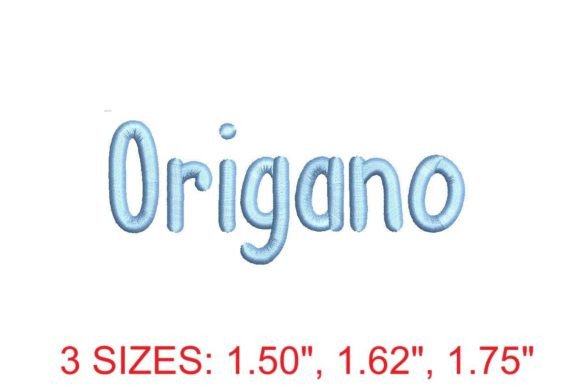
As an embroidery designer who’s stitched over 300 boutique sweatshirt collections—from coastal linen tees to heavyweight French terry hoodies—I opened the Origano Embroidery Font with quiet anticipation. Not hype, not marketing fluff—just the calm curiosity of someone who knows how rare it is to find a digital embroidery file that balances refinement and wearability. What struck me immediately wasn’t just the graceful letterforms, but their stitching personality: clean satin columns, subtle tapered terminals, and gentle curve transitions that suggest hand-guided precision—not algorithmic uniformity. This isn’t a font shouting for attention; it’s one that earns it through restraint and rhythm. On screen, it reads as quietly confident—feminine without frill, minimal without sterility, decorative without clutter. For a Back To School drop rooted in thoughtful craftsmanship, that tone is gold.
How It Lives on Real Sweatshirts
I tested Origano Embroidery Font across five real-world garment scenarios—all staples for small shop product lines:
- Neutral midweight sweatshirts (heather grey, oat, charcoal): The font breathes. Its moderate stitch density anchors beautifully without sinking into the fabric texture. No ghosting, no puckering—even at 2.75" chest placement.
- Deep navy or black hoodies: With rich thread colors like charcoal grey or deep plum, Origano Embroidery Font gains quiet authority. It reads as premium, not stark—a detail that elevates casual apparel into intentional wardrobe pieces.
- Pastel heathers (blush, mint, butter): Here, the font shines brightest. Its open counters and balanced spacing prevent visual heaviness. Paired with soft ecru thread, it feels handmade, tender, and seasonally resonant—ideal for early fall or late summer styling.
- Oversized hoodies and cropped styles: Because the letterforms scale gracefully, Origano Embroidery Font holds clarity even when enlarged for back designs or reduced for sleeve accents. No jagged edges, no collapsed curves—just consistent legibility.
- Cozy seasonal layers (terry cloth, fleece-lined, ribbed cuffs): The design’s moderate stitch density plays well with loftier fabrics. It doesn’t fight the nap; it settles into it, giving that coveted “made-for-this-garment” feel.
Design Integrity Meets Production Reality
Let’s talk shop—not just aesthetics. As a working embroidery designer, I assess every machine embroidery design through three lenses: how it stitches, how it wears, and how it sells. Origano Embroidery Font passes all three.
For sweatshirt embroidery, thread color contrast is non-negotiable. This font’s generous x-height and open apertures mean even subtle tonal combos—like heather sage thread on olive fabric—remain readable after washing. Its stitch density sits in that sweet spot: dense enough to avoid translucency on darks, light enough to drape naturally on knits. No excessive underlay means less stabilizer bulk—critical when embroidering near seams or curved hems.
Hoop size? It’s forgiving. Whether you’re using a 4x4 for chest logos or expanding to 5x7 for back monograms, the layout remains proportional. And yes—it works with tear-away and cut-away stabilizers, depending on your fabric thickness and desired hand-feel. For commercial embroidery runs, that flexibility saves time and reduces rework.
Small-size readability? Tested down to 1.5" height on a women’s XS hoodie chest panel—still crisp. That matters for Etsy sellers offering personalized initials or minimalist branding. No blurring, no lost detail. And durability? The satin stitch paths are smooth and continuous—no fragile jump stitches or tiny isolated elements prone to snagging. Wash after wash, it stays intact.
Boutique Brand Impact: More Than Just Letters
Here’s what small creative businesses often overlook: typography isn’t neutral. It’s your brand’s first whisper before the customer even reads your tagline. Origano Embroidery Font doesn’t scream “Back To School”—it suggests intentional return. A student choosing this sweatshirt isn’t buying utility; they’re choosing identity. That nuance builds buyer trust.
For an Etsy seller listing custom apparel, pairing Origano Embroidery Font with lifestyle photography—think soft natural light, folded sleeves, handwritten notebook props—creates instant visual cohesion. It reads as curated, not generic. In mockup previews, its elegance lifts the perceived value of the entire product. Customers don’t see “embroidered letters”; they see design assets that signal care, consistency, and quiet confidence.
And for handmade presentation? This font bridges the gap between artisanal warmth and polished execution. It feels human-made—not templated. That authenticity resonates deeply with audiences who support small shops because they believe in story, not scale.
Where It Fits—and Where to Pause
Origano Embroidery Font excels in chest logos, sleeve cuffs, back neck labels, and delicate back designs (think names or short mottos). It’s ideal for boutique brands building a signature aesthetic—one rooted in elegance, clarity, and tactile sincerity. It leans feminine and refined, but avoids cliché. It’s playful only in its fluidity—not in gimmicks.
That said: always verify technical specs before production. Since exact stitch count, compatible file formats (DST, PES, JEF), and recommended hoop size aren’t provided in the description, double-check those details with your digitizer or vendor. Likewise, confirm licensing terms if you plan to use Origano Embroidery Font across multiple product lines or client projects—commercial embroidery requires clear usage rights.
Also—while it performs beautifully on most knit and fleece blends, test on ultra-soft bamboo-cotton blends or textured bouclé sweatshirts. Fabric texture can subtly affect how satin columns catch light. A quick sew-out saves costly reprints.
Final Thought: A Font That Feels Like a Signature
In a market flooded with bold sans-serifs and overworked script fonts, Origano Embroidery Font arrives like a well-placed pause. It doesn’t dominate the garment—it completes it. For small clothing brands, embroidery shops, and creative entrepreneurs building something meaningful, that’s not just design. It’s strategy. It’s storytelling. It’s the quiet confidence that turns a simple sweatshirt into a keepsake—and a digital embroidery file into a cornerstone of your brand’s visual language.