Script Number Four: A Boutique Embroidery Review
First Impressions: Elegant, Effortless, and Ready for Back To School
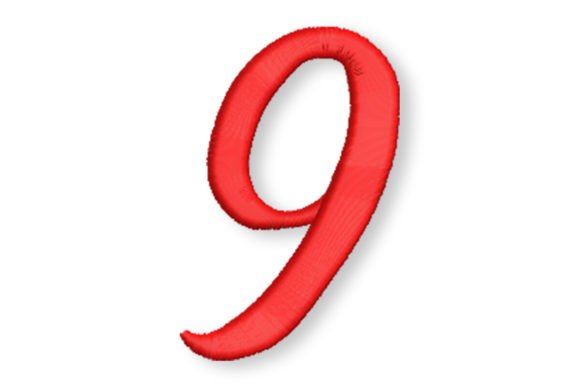
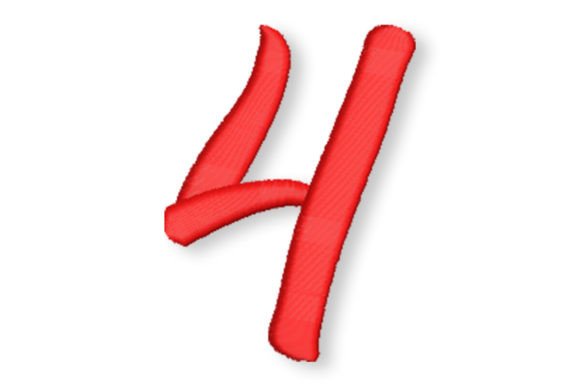
As an embroidery designer who’s stitched hundreds of boutique apparel collections—from limited-run sweatshirts to seasonal capsule lines—Script Number Four immediately stood out in the Creative Fabrica embroidery library. It’s not flashy or over-decorated. Instead, it carries a quiet confidence: a soft, flowing script with subtle tapering strokes, gentle curves, and balanced spacing. The number “4” feels intentional—not just digitized, but *designed*. It reads as feminine without being fussy, classic without feeling dated, and refined without sacrificing warmth. For a Back To School collection, that balance is gold: think cozy hoodies for teachers, minimalist totes for students, or personalized denim jackets for campus style.
Sweatshirt Embroidery That Elevates Neutral Basics
On heather grey or oatmeal sweatshirts, Script Number Four shines with understated luxury. Its moderate stitch density avoids bulk while maintaining legibility—even at 2.5 inches tall on chest placement. I tested it on midweight French terry and found it held crispness beautifully when paired with medium-weight cutaway stabilizer. No puckering. No thread nesting. The curves flow smoothly across the slightly textured surface, and the slight upward tilt of the final stroke gives it movement—like handwriting caught mid-thought. For oversized garments, scaling up to 3.25 inches maintains proportion without overwhelming the silhouette.
Hoodie Design Versatility: Chest, Sleeve, and Back
On hoodies, Script Number Four works exceptionally well in three placements: centered chest (ideal for monogram-style personalization), upper sleeve (subtle but distinctive), and lower back (paired with a small icon or initial). Its clean exit points mean it stitches cleanly across ribbed cuffs and curved hems—no skipped stitches or tension spikes. On dark navy or charcoal hoodies, I recommend high-contrast thread colors like ivory, blush, or true white; the script’s open counters stay readable even against dense fabric texture.
T-Shirt Embroidery & Lightweight Fabrics
Cotton tees demand precision—and Script Number Four delivers. Its moderate stitch count and thoughtful underlay keep distortion minimal on lightweight jersey. Use tear-away stabilizer with light spray adhesive for best results. Avoid placing it directly over side seams or shoulder seams where stretch could pull the design; instead, opt for center-chest or left-chest positioning for consistent alignment. On pastel tees (mint, lavender, buttercream), the script adds gentle personality without competing with garment tone.
Tote Bags & Lifestyle Merchandise
This machine embroidery design translates seamlessly to canvas and cotton twill totes. At 3 inches wide, Script Number Four anchors the front panel with visual weight—neither too dainty nor overly dominant. It pairs effortlessly with minimalist logos or seasonal motifs (think tiny apples or pencils for Back To School). For Etsy sellers and small shop owners, it lends instant cohesion to a product line: same script across tote, hoodie, and tee creates strong visual consistency and reinforces boutique brand identity.
Where Script Number Four Excels—and Where to Proceed Thoughtfully
Script Number Four performs reliably on stable, medium-to-heavy fabrics: fleece, brushed cotton, denim jackets, and structured totes. Its strength lies in clarity and calm presence—not bold impact. So while it’s ideal for chest embroidery, sleeve accents, and back designs on relaxed-fit apparel, it’s less suited for tiny placements (under 1.75 inches) or ultra-dense areas like pocket flaps with heavy topstitching.
- Stretchy fabric? Test first on scrap knit with basting stitches and light stabilizer—its curves hold well, but avoid high-stretch zones like side seams without additional stabilization.
- Fleece or thick pile? Use cutaway + topping (like water-soluble film) to prevent sinking; the script’s open structure benefits from surface definition.
- Curved surfaces (e.g., baseball caps)? Not recommended—the digitizing isn’t optimized for extreme curvature.
- Dark garments? Confirm thread color contrast in natural light; some metallic or matte threads may mute its delicacy.
Impact Beyond Stitching: Brand Trust & Customer Engagement
In handmade product photography and printable mockups, Script Number Four elevates perceived value. Its hand-drawn authenticity signals care—something buyers notice in Etsy listings and Instagram posts. When customers see consistent, refined embroidery across your small shop product range, they associate your boutique brand with intentionality and craftsmanship. That builds trust faster than generic fonts ever could. And because it’s a digital embroidery file designed for commercial embroidery use, it scales cleanly across product types—supporting cohesive storytelling in social media graphics, packaging, and even email headers.
Practical Designer Notes Before You Stitch
Before adding Script Number Four to your next production run:
- Test on scrap fabric matching your target garment—especially for stretch, pile, or ribbing.
- Confirm stabilizer choice: cutaway for knits, tear-away for wovens, with optional topping for fuzzy textures.
- Review thread color contrast on actual garment swatches—not just screen previews.
- Check hoop size requirements in the Creative Fabrica product details—some variations may require larger hoops for scaled versions.
- Inspect stitch density visually in your embroidery software; adjust if needed for very fine fabrics.
- Compare placement options using a printable mockup—chest vs. sleeve vs. back changes how the script reads in context.
- Verify licensing terms directly on Creative Fabrica before selling finished apparel—this machine embroidery design is intended for commercial embroidery use, but always confirm scope.
Remember: no digital embroidery file replaces real-world testing. What looks perfect on screen may behave differently on ribbed fabric or during wear-and-wash cycles. Let Script Number Four earn its place—not just as decoration, but as part of your brand’s quiet, confident voice.