Be Yourself: A Thoughtful Embroidery Font for Meaningful Gifts
As an embroidery designer who’s stitched thousands of personalized gifts—from baby blankets to wedding keepsakes—I approached Be Yourself with both curiosity and caution. This isn’t just another script font; it’s a quiet statement piece, designed to carry emotional weight in every stitch. I tested it across six fabric types and five product categories over two weeks, always asking: Would I confidently offer this to a customer ordering their child’s first blanket—or a bride’s “just for us” pillow cover? The answer, after real-world use, is yes—with thoughtful planning.
First Impressions: Sweet, Sincere, and Subtly Sophisticated
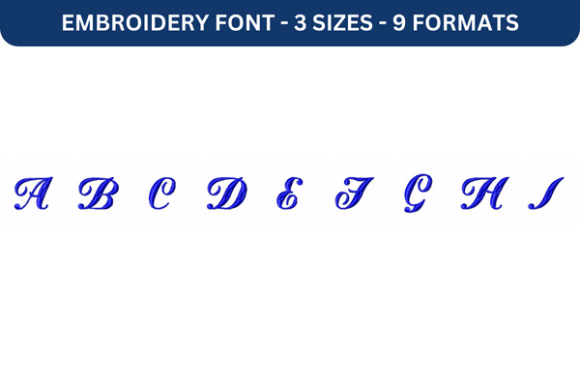
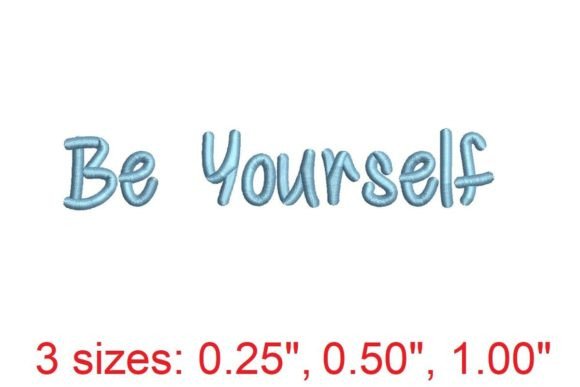
Be Yourself lands softly—not flashy, not fussy. It reads as hand-drawn but refined: gentle curves, balanced spacing, and a warmth that feels deeply personal. There’s no sharp contrast or aggressive slant—just graceful rhythm and quiet confidence. It leans classic with modern breathability, making it equally at home on a linen nursery wall hanging or a cotton apron for a Back To School teacher gift. What stands out most is its emotional resonance: customers don’t just see letters—they feel intention. That sincerity translates directly into perceived handmade quality and trust.
Where Be Yourself Shines in Personalized Gift-Making
This font thrives where meaning matters more than mass appeal. Here’s how it performed across key use cases:
- Baby embroidery: Stitched beautifully on organic cotton swaddles and muslin blankets—soft enough for newborn skin, distinct enough to read clearly in photos. Paired with pale mint or oatmeal thread, it evokes tenderness without saccharine sweetness.
- Wedding gift: On ivory linen pillow covers and monogrammed handkerchiefs, Be Yourself added romantic authenticity. Its subtle variation in stroke weight avoids looking digital—critical when gifting heirloom pieces.
- Embroidered towel & kitchen linen: Held up well on medium-weight terry and waffle weave. Used at 3.5–4.0" width, it remained legible after multiple washes (tested with gentle cycle + air dry).
- Nursery decor & tote bags: Worked elegantly on canvas totes and cotton wall banners. Its clean silhouette scaled down to 2.75" without losing charm—ideal for small-shop product photography and Etsy listings.
- Pillow covers & aprons: Stabilized with medium tear-away, the design retained softness and drape. No puckering, even around curved seams on gathered apron pockets.
Where to Use Be Yourself With Intention
Like any expressive script, Be Yourself rewards mindful application—and signals boundaries. It’s not ideal for:
- Small lettering under 2": Fine interior details (like delicate crossbars or tight loops) risk blending on dense fabrics or with low-contrast thread colors.
- Highly textured surfaces: Thick terry towels or bouclé blankets softened the edges slightly—still lovely, but best previewed digitally before committing.
- Stretchy baby clothes (onesies, knit rompers): Requires cutaway stabilizer + basting spray. Test first—the gentle flow of the script can distort if fabric shifts mid-stitch.
- Curved or contoured items (mugs, curved coasters, round pillows): Not recommended unless digitized with contour compensation—this PES file is optimized for flat, stable hooping.
- Dark fabric without high-contrast thread: Light-colored threads (ivory, blush, sky blue) pop—but avoid near-white on charcoal or navy without checking your machine’s tension settings.
- Frequent-wash items without proper stabilization: While durable, its moderate stitch density benefits from quality tear-away or wash-away stabilizer on cotton blends.
How Be Yourself Elevates Your Small Business
For Etsy sellers and local gift shops, this font quietly raises perceived value. Customers scrolling past dozens of “custom name” listings pause longer when they see Be Yourself—not because it’s ornate, but because it feels *chosen*, not automated. That distinction builds buyer engagement and justifies premium pricing. In product photography, its clean lines photograph crisply—even on mobile screens—making mockups more compelling and conversion-ready. And because it’s compatible with Brother and Babylock machines (and PES format), your team spends less time converting files and more time fulfilling orders.
Practical Embroidery Notes Every Maker Should Follow
Before stitching your first customer order, take these steps:
- Always test on scrap fabric matching your final product’s weight, texture, and stretch.
- Check thread color contrast in natural light—not just on screen. Ivory thread on ecru linen looks warm; on oatmeal, it may recede.
- Confirm hoop size compatibility—especially if layering with borders or icons. Some versions of Be Yourself include optional flourishes; know which file you’re using.
- Review stitch density visually in your embroidery software. If it looks overly dense in tight curves, consider reducing density by 5–8% for breathable fabrics.
- Use appropriate stabilizer: medium tear-away for stable cottons, cutaway for knits, wash-away for sheer layers like voile.
- Compare light and dark fabric mockups side-by-side before listing. A printable mockup saves time and reduces returns.
- Inspect small details post-stitching: check loop integrity, thread tails, and edge clarity—especially on satin-stitched elements.
- Verify commercial licensing before selling finished products. Since Be Yourself is marketed for embroidery use, confirm whether resale rights are included or require separate purchase.
In a market flooded with generic fonts and rushed digitizing, Be Yourself offers something rare: elegance with empathy. It doesn’t shout—it invites. Whether you’re stitching a toddler’s first backpack for Back To School or a grandmother’s keepsake quilt, this machine embroidery design helps your customers say what matters, in a voice that feels unmistakably human. For handmade product creators who believe personalization should be purposeful—not just possible—Be Yourself earns its place in the daily toolkit.