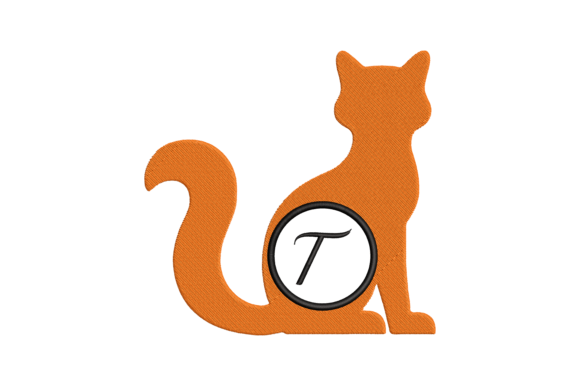
Cat Letter T: A Charming, Practical Embroidery Design for Real Projects
First Impressions: Cute Without Compromise
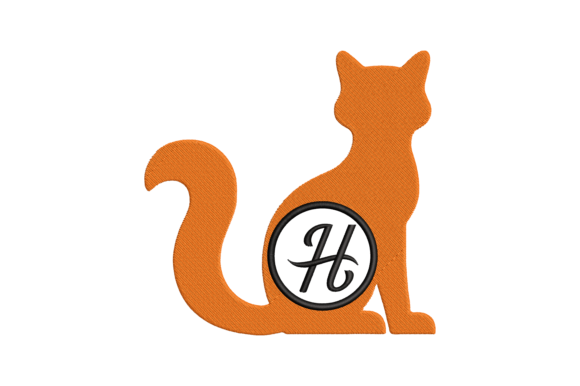
When I opened Cat Letter T for the first time, I didn’t see just another letter—it felt like a tiny personality. The cat motif isn’t tacked on; it’s *integrated*. The tail curls into the crossbar of the “T,” the ears peek from the top serif, and the face sits centered with gentle, approachable expression. It’s playful but not cartoonish—balanced enough for a boutique baby onesie or a minimalist tote bag. This isn’t novelty embroidery that fades after one glance. It’s got warmth, rhythm, and quiet confidence. For Back To School season, it reads as cheerful and ageless—not too young, not too academic.
A Real-World Test: Stitching It onto a Linen Tea Towel
I ran Cat Letter T on a medium-weight natural linen tea towel—no stretch, moderate texture, light background. Used tear-away stabilizer and 40-weight polyester thread in charcoal gray. The result? Clean satin-stitched outlines held shape beautifully, fill stitches settled evenly without pulling, and the small facial details (eyes, nose) stayed legible at 3.2" tall. No skipped stitches, no thread breaks. That told me something important: Cat Letter T was digitized with real fabric behavior in mind—not just screen appeal. It’s a machine embroidery design that respects how thread interacts with grain, tension, and surface.
Where It Shines—and Where to Pause
Cat Letter T works especially well for:
- Custom apparel: Think crewneck sweatshirts, cotton tees, and lightweight denim jackets—especially when placed on chest or sleeve for subtle branding.
- Personalized gifts: Embroidered on a baby blanket corner, a child’s backpack strap, or a teacher’s apron pocket, it adds recognition without overwhelming.
- Small shop product: As part of a curated set—Cat Letter A through Z—it builds cohesion across nursery decor, holiday embroidery kits, or classroom-themed merchandise.
- Digital embroidery file use: Scales cleanly in mockups for Etsy listings, and holds clarity even in black-and-white printable mockups used for client approvals.
But here’s where attention matters:
- Thin or stretchy fabrics: On jersey or lightweight rayon, reduce stitch density if possible—or add cutaway stabilizer underneath. The curves and fine lines need support to stay crisp.
- Curved surfaces: Caps or curved pillow covers require re-hooping and possibly slight digitizing tweaks. Cat Letter T’s balanced proportions help, but test on scrap first.
- Dark or textured backgrounds: On black twill or heavy canvas, confirm thread color contrast—light grays or creams may disappear. Always check your embroidery file against both light and dark fabric previews.
- Tiny applications: Below 2.5", the cat’s facial features risk blurring. If you’re planning an embroidered patch under 2", consider simplifying or choosing a version optimized for small hoop size.
What It Adds to Your Finished Product
Cat Letter T doesn’t just sit on fabric—it elevates perception. On a handmade product, it signals care: the kind that notices how a tail curl echoes a child’s handwriting or how a soft-eyed cat invites touch. Customers don’t buy “a letter.” They buy charm, memory, and intention. That translates directly to giftability and buyer engagement—especially for Etsy sellers and craft fair vendors who rely on emotional resonance over mass-market polish.
For small business owners, it supports brand consistency without demanding rigid repetition. Pair it with clean sans-serif text or hand-drawn botanicals, and it fits a modern rustic aesthetic. Use it alone on a neutral tote bag, and it becomes the quiet centerpiece—not shouting, but holding space.
Designer Notes You’ll Actually Use
Before stitching Cat Letter T into your next project, try these practical steps:
- Test on scrap fabric—same weight, same weave, same stabilizer—as your final piece.
- Review stitch density in your embroidery software. Dense fills can stiffen lightweight fabrics; looser fills may lack definition on textured surfaces.
- Inspect corners and curves in the digitized file: Are satin stitch transitions smooth? Do sharp turns have proper underlay?
- Check licensing before selling finished items or bundling Cat Letter T into digital embroidery collections. Commercial embroidery rights aren’t automatic—even for seemingly simple designs.
- Compare thread colors across lighting: what looks warm on screen may read cool under store lights or natural window light.
- Confirm hoop size compatibility. If you work mostly with 4x4 hoops, verify Cat Letter T fits comfortably within that boundary—including jump stitches and trim commands.
Final Thought: Not Just a Letter—A Small Moment of Joy
In my 12 years designing for craft businesses and reviewing embroidery files, I’ve seen how a single well-executed design can anchor an entire product line. Cat Letter T does that quietly. It’s not flashy—but it’s memorable. Not complex—but it rewards attention. Whether stitched on a back-to-school lunchbox, a handmade baby cap, or a boutique kitchen towel, it lands with sincerity. And in today’s market—where buyers choose handmade product over mass-produced for authenticity—that sincerity is its strongest stitch.